
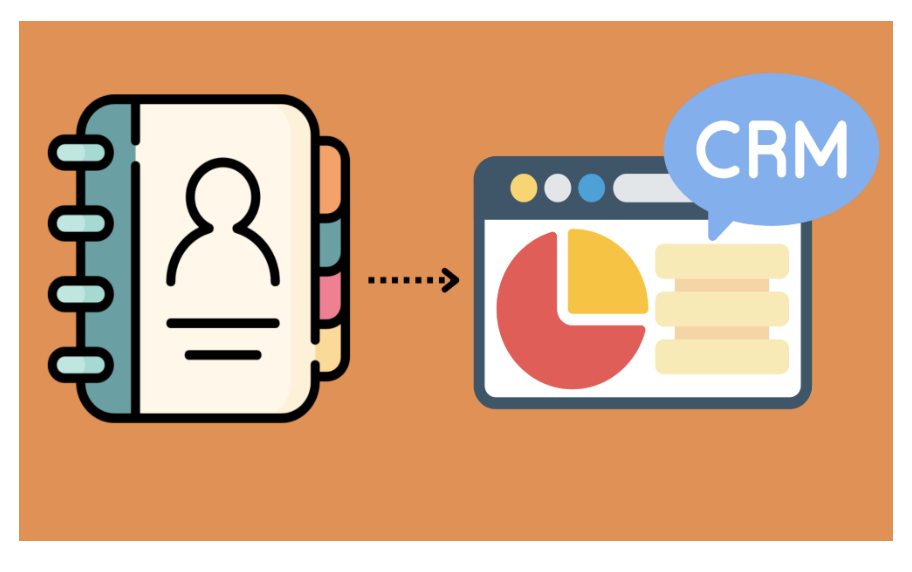
Introduction: From Contact Lists to Real Connections
In the past, pharma CRMs was mostly used as a contact list to store details and record calls. It worked as a simple contact list.
However, by 2025, things have changed. With advanced technology, having a limited contact
list isn’t helpful. Healthcare Professionals (HCPs) are busier than ever and expect every
interaction to be short, personalized, compliant, and available across different channels like
email, personal visits, or virtual meetings.
Taking into account the changing needs of interaction, simply keeping contacts is not helpful.
Field forces need a connected system that helps in planning, tracking, and getting real-time
insights about each HCP. The sales force can focus on building stronger relationships with
HCPs and delivering real value instead of spending time on manual updates.
Beyond Contact Management: What Modern Pharma CRMs Must Deliver
Traditional CRMs were built to keep contacts and record calls; however, in 2025, sales
teams need much more than a record-keeping book. The field force needs a platform that
enables smarter planning, customer engagement, and compliance.
Modern pharma CRMs can provide a wide range of capabilities that outsmart the traditional
Rolodex.
● Call Planning
Call planning helps sales reps schedule and prioritize interactions with doctors. This
ensures the right conversation at the right time and provides flexibility to customize
as needed.
● Campaign Execution
Campaigns play a huge role in sales and marketing activities. Modern CRMs ensure
consistent messaging across multiple channels like email, in-person visits, webinars,
or digital platforms. This ensures HCPs receive a unified experience.
● Expense Tracking
Manual expense tracking is cumbersome and involves many compliance challenges.
Modern CRMs provide clear visibility into sales force spending, support management
teams in budgeting effectively, and ensure compliance with regulatory bodies.
● Sample Acknowledgment
Sample tracking is critical and tough to manage traditionally. Modern CRMs automate
the process of recording and confirming product sample distribution. This reduces
paperwork and makes the entire process compliance-friendly.
● Real-Time Analytics
With traditional CRMs, it is impossible to derive actionable intelligence; however,
modern CRMs deliver insights through dashboards. They help the sales team take
the next best action and support management in tracking performance instantly.
These features transform the CRM from a database tool into an active management tool that
not only stores information but also drives smarter decisions, builds HCP relationships, and
achieves better commercial outcomes.
These features transform the CRM from a database tool into an active management tool that not only stores information but also drives smarter decisions, builds HCP relationships, and achieves better commercial outcomes.
Empowering the Sales Force with Technology
The sales force can utilize the advanced features of modern CRMs to focus on building
customer relationships.
● AI-Driven Intelligence: Provides predictive recommendations for HCP engagements
based on prescribing behavior and preferences.
● Automated Approvals: Administrative delays are avoided when compliance checks
are automated within the CRM.
● Multi-Channel Communication: Integration of email, video calls, webinars, etc.,
helps engage doctors across different channels.
By leveraging technology, reps can focus on building stronger relationships, delivering value,
and driving commercial success in a competitive, data-driven pharma landscape.
Keacyte: The Next-Generation Pharma CRM
Keacyte is designed specifically for the pharmaceutical industry, exemplifying how pharma
CRMs must evolve in 2025 and beyond. Keacyte combines operational efficiency, actionable
intelligence, and compliance readiness into one unified platform. It is a smart assistant for
pharma companies that helps them manage doctors, hospitals, and HCPs more efficiently.
Core CRM
All sales, marketing, and customer engagement activities are managed in one place.
Routine tasks like scheduling visits, sending reminders, or updating records are automated,
saving time. Dashboards and reports provide real-time visibility into performance, helping
managers take action. The system ensures compliance with regulatory guidelines.
Contact + Account Management
Keacyte manages profiles that combine all interactions—calls, emails, meetings, or
prescriptions—for each doctor or hospital. The field force can access past discussion history
to have the most relevant conversations. Accounts are grouped by region, specialty, or
prescribing behavior to ensure precise audience targeting. Sales, Marketing, and Medical
Affairs teams can access the same account data, ensuring consistent communication.
360° HCP View
This is Keacyte’s intelligence engine, providing deep insights.
It tracks prescribing patterns and shows HCP preferences for communication channels.
Analytics suggest the best next action while ensuring compliance with regulatory
requirements.
These modules help pharma companies build stronger relationships with doctors, make their
sales teams more productive by cutting down repetitive work, ensure compliance, and
achieve commercial excellence with smarter strategies.
Keacyte CRM is a strategic partner for pharma companies who want to shift from managing
contacts to managing relationships. It empowers organizations in terms of data, compliance
and personalization.
Conclusion
In 2025, pharma CRMs must be more than a digital Rolodex. They need to be intelligent, compliant, and omnichannel platforms that support strategic engagements. With advanced CRMs like Keacyte, pharma companies can move beyond contact management to build stronger relationships with their customers and deliver commercial impact. Its Core CRM centralizes operations, Contact + Account Management builds complete profiles with engagement history, while the 360° HCP View delivers deep insights into prescribing patterns and more. Pharma companies must evolve from digital address books to advanced CRMs to stay ahead of the competition.