
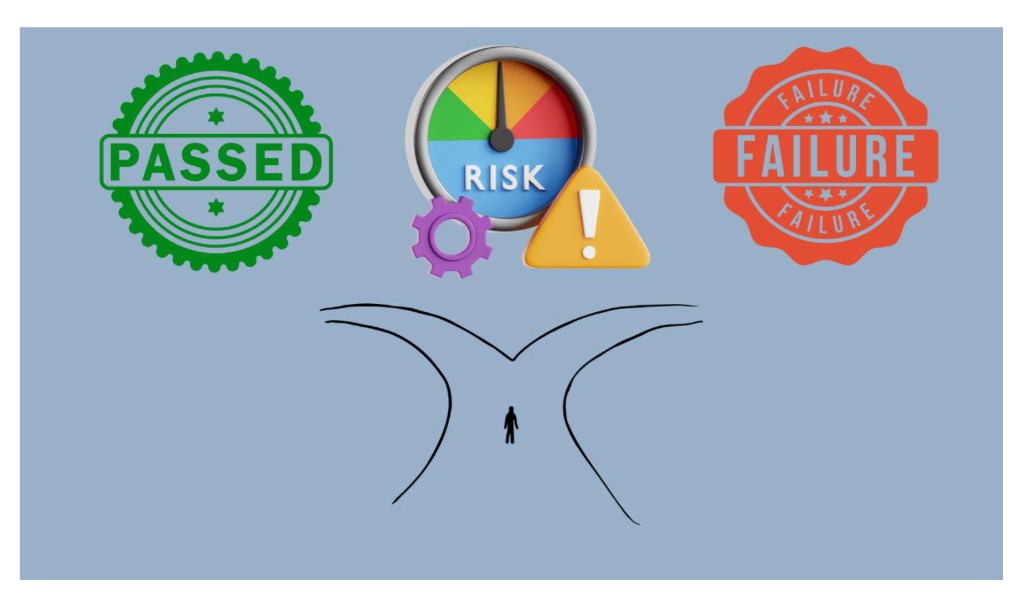
Compliance Dilemma in the Pharma Industry
The pharma industry operates in a highly regulated environment; however, it faces a dual challenge of commercial pressure and regulatory oversight. Commercial pressure drives growth strategies such as expanding market share through sales and marketing and strengthening relationships with healthcare professionals (HCPs). Pharma companies’ pursuit of growth must align with regulatory oversight. This creates a pharma compliance management dilemma where growth must adhere to evolving regulations.
Compliance First
The pharmaceutical industry would collapse without compliance. It is a critical factor that safeguards human health, safety, and trust. Pharma operations are governed by strict regulations, and non-compliance with these regulations may result in legal penalties, product recalls, and reputational damage. Compliance is not optional; rather, it provides a strategic advantage by building trust among stakeholders and improving operational efficiency. Strong regulatory readiness in pharma ensures companies remain resilient and credible.
Non-CRM Environment: Risk of Errors and Audit Failures
Approvals
● Multiple stakeholders are involved in approval processes, and teams are
interconnected. Regulatory, medical affairs, and marketing must review promotional
content before use. Manual approvals can cause delays, miscommunication, or
overlooked steps.
● Using unapproved or outdated content may lead to regulatory violations and fines.
Manual processes also face audit challenges, as proving proper review and approval
of every piece of content is difficult without an audit-ready CRM system.
Medical Samples
● Paper records are prone to errors, duplication, or loss. Medical samples must be
tracked with detailed reporting. Misreporting or incomplete records expose
companies to regulatory risk and audit failures. Without a pharma sample tracking
system, compliance becomes fragile.
Documentation
● Manual filing or fragmented digital folders make data retrieval slow and error-prone.
As pharma companies generate massive volumes of regulatory, clinical, and
promotional documentation, manual processes may create version-control issues—
such as teams using outdated documents that lead to inconsistency in compliance
reporting. Manual systems often lack audit trails, causing errors and audit failures.
Pharma CRM: A Compliance Backbone
A robust pharma CRM is not merely a customer relationship tool—it is a compliance
backbone that ensures companies remain inspection-ready at all times. A well-designed
CRM embeds compliance automation into everyday workflows.
Keacyte’s Approval Management, Sample Tracking, and Data Audit Logs are designed to
embed compliance into routine workflows, ensuring every action is recorded, traceable, and
transparent.
Automated Approval Workflows
Manual approvals are prone to delays, errors, and missing records. Automated approval
workflows solve these challenges.
● Every promotional content or medical communication passes through predefined
approval chains.
● Digital signatures and timestamps create audit trails, ensuring content is reviewed
and approved before use. This eliminates the risk of outdated or unapproved content.
Transparency is improved at every step, removing confusion.
● Keacyte also supports an expense approval system, ensuring financial compliance
alongside promotional approvals.
Medical Sample Tracking
Manual tracking risks duplication, incomplete information, or lost records that cause major
audit issues.
● Sample requests, deliveries, and receipts are logged in real time. Keacyte ensures
correct product codes and quantities are recorded.
● Automated alerts track distribution, and regulators can trace samples from the
warehouse to the HCP.
● Reports can be instantly generated, and mobile-enabled reporting allows receipts to
be uploaded and discrepancies flagged immediately.
● This robust sample inventory management and sample distribution tracking system
ensures compliance and transparency.
Data Audit Logs
Missing audit logs can result in penalties because companies may be unable to demonstrate
compliance during inspections.
● Compliance is enforced through role-based access and encryption, preventing
unauthorized access to critical information.
● Every user action—approval, edit, or sample distribution—is logged automatically in
the CRM.
● Logs cannot be altered, ensuring system integrity. This allows companies to remain
inspection-ready at all times, as auditors can trace the full lifecycle of a document. It
creates accountability for every action.
Keacyte’s compliance framework reduces delays, enforces consistency, and builds trust with
regulatory bodies and HCPs.
Impact of Automated Workflows
Compliance automation eliminates inefficiencies and enforces compliance by embedding
rules directly into daily processes. Automated workflows accelerate approvals, streamline
distribution channels, and enforce uniform policies across the organization, making it
efficient and audit-ready.
● Reducing Delays
Predefined pathways automatically route tasks to the right stakeholders in sequence.
Parallel processing reduces turnaround times, while real-time notifications help
approvers avoid delays.
● Ensuring Policy Consistency
Company policies and regulatory checklists are embedded as rules. Automated
checks ensure that only approved content, correct sample quantities, and compliant
data entries move forward.
Real-Time Regulatory Assurance
Real-time visibility into approvals and sample movements minimizes regulatory risks by
preventing errors before they escalate. Automated alerts catch non-compliant actions.
Policies are enforced uniformly across teams and geographies. With every action time-
logged, accountability is strengthened and trust with regulators is built.
Real-time visibility reduces audit failures, enabling faster corrective action when issues are
flagged.
Conclusion
By integrating compliance into the CRM, pharma companies can build regulatory safeguards directly into their day-to-day operations. This shifts their approach from reactive firefighting to proactive regulatory readiness in pharma. Approvals, sample tracking, and documentation are continuously monitored, logged, and aligned with regulations. This transparency reduces risk and builds credibility. Pharma CRMs like Keacyte ensure that companies are always inspection-ready. A robust audit-ready CRM system is not an option—it is a strategic advantage in the competitive pharma industry.