
Global pharma operations have a wide territorial spread across different countries, abiding by the
regulatory guidelines of the respective health authorities. The bigger the organization, the bigger
the teams, and the greater the operational challenges.
Over the years, global pharma operations have handled their regional operations locally; this
means allowing regional or country-specific teams to use a local CRM for their work, creating
quick-fit solutions instead of global alignment.
This unintentionally creates operational silos—isolated pockets of information, processes, and
decision-making.
This fragmentation can significantly affect companies' compliance, customer experience, and
pharma commercial operations effectiveness.
Operational Silos: Key Challenges
When teams work with different CRM tools, datasets, and processes, issues arise. Disconnected
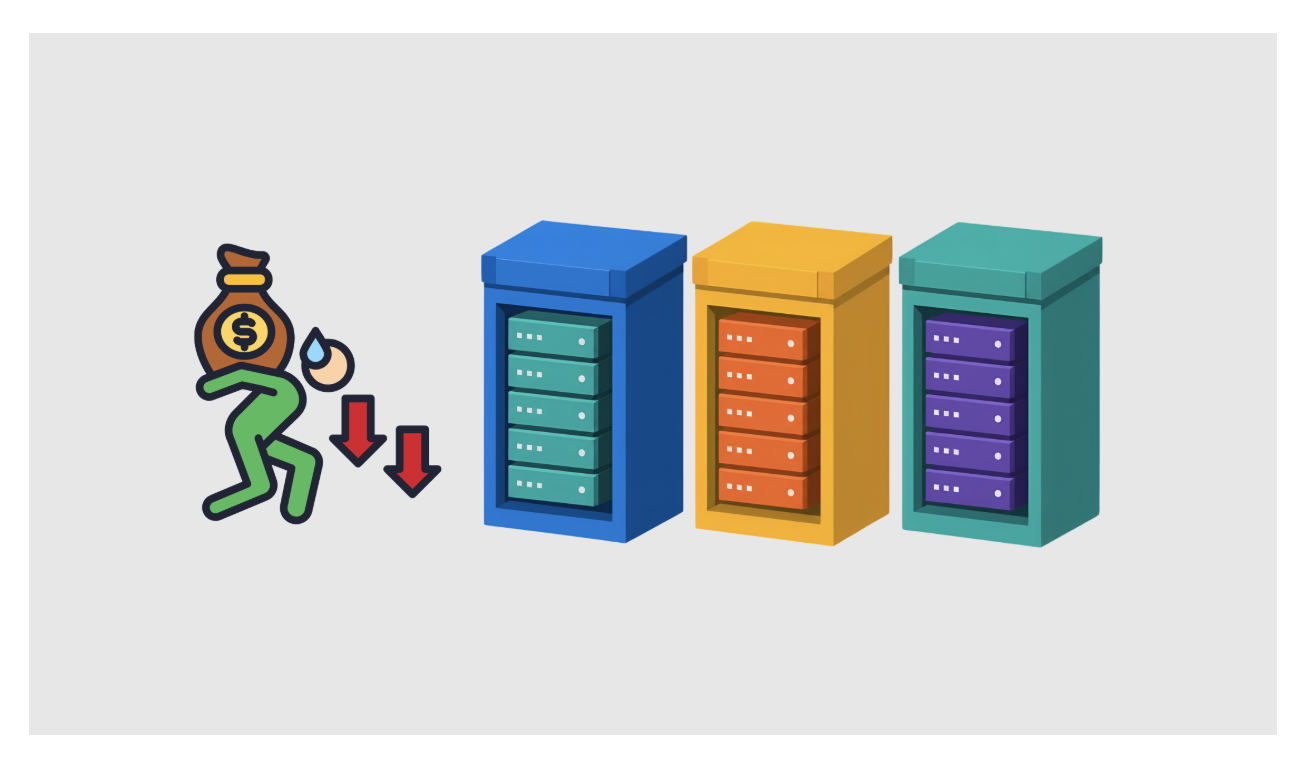
CRM systems increase operational costs to maintain licenses, support teams, and CRM integration.
● Each region maintains its own database of doctors and hospitals, creating fragmented
sales data visibility with no unified customer interactions.
● Sales, marketing, and legal teams have limited cross-regional collaboration and cannot
share insights or coordinate activities.
● Integrating data from multiple CRMs requires complex processes, causing increased IT
costs and risk of errors.
● Leadership lacks centralized pharma visibility due to poor CRM reporting accuracy.
● It can also lead to compliance and risk management challenges due to strict reporting
requirements for promotional compliance and transparency in communications.
Local Tools: A Short-Term Tactical Move
Local CRM tools are tailored to local workflows, languages, and compliance, making it easier
for the sales team; however, they create long-term enterprise-level challenges where data, global
sales reporting, and visibility are critical.
Data becomes inconsistent and non-comparable across regions, creating consistency challenges.
Duplicate and fragmented customer records may exist in multiple systems. Without centralized
governance, data quality issues will emerge.
Increased IT complexity requires separate maintenance and integrations, causing higher costs
and hidden operational inefficiencies.
Enterprise Level Challenges
When pharma companies depend on manual spreadsheets or disconnected systems to share
insights, it creates major gaps in secondary sales visibility, territory sales analytics, and data
validation. These problems may look minor but can grow significantly during scale up.
Secondary Sales Tracking
Secondary sales visibility is critical as it shows actual market demand and product movement.
When distributors share data manually in different formats and field teams consolidate it into
reports, various data consistency issues may arise.
Data lacks real-time visibility; demand signals may be inaccurate, and forecasting becomes
unreliable, creating supply chain challenges.
Territory-Wise Performance Monitoring
In an ideal situation, pharma companies should track territory sales analytics, representative
productivity, market coverage, etc. However, with disconnected reporting systems, these are not
standardized.
This results in inconsistent pharma sales KPIs, as different teams use different metrics, making
comparisons meaningless.
Field Data Validation
When data is captured manually outside a centralized system, there is a lack of field force automation. It can cause risks such as data manipulation, incomplete or inaccurate records, and
no trail to verify activities.
Dependency on Intermediaries
All these above inefficiencies can produce larger business challenges, creating dependency on
intermediaries, delaying decision-making, and limiting leadership visibility into actual market
performance.
When data is not system-accessible and depends on compiled reports prepared by multiple
people, it can risk data distortion. It can affect granular insights.
Disconnected CRM Systems Ecosystem Disadvantages
Hidden Operational Cost
Sales reps duplicate efforts; managers spend time validating reports, and IT continuously manage
integrations and data corrections. This leads to productivity loss across fields and support teams
and reduces time spent on customer engagement.
Continuous data fragmentation and reconciliation increase operational overheads. Insights are
not captured, and leadership acts on inconsistent information.
Impact on Collaboration
Teams cannot easily access insights from other regions. Insights remain localized, and best
practices are not easily transferable. Due to the lack of workflow standardization, campaigns and
messages differ across markets. Global teams work as independent units instead of a
collaborative team.
Impact on Commercial Alignment
It is challenging to execute a unified pharma CRM strategy due to disconnected CRM systems.
Different regions follow different engagement models. Misaligned KPIs and performance
metrics do not help leadership. Lack of CRM integration impacts sales planning, inventory
allocation, and market expansion decisions.
Moving Toward a Unified Pharma CRM Platform
Shifting from a disconnected CRM systems ecosystem to a unified pharma CRM platform is not
just a technology upgrade but a pharma digital transformation. It balances regional usability for
sales teams, gives centralized control to headquarters, and brings real-time sales data visibility
across markets.
The unified pharma CRM platform provides localized user interfaces in multiple languages,
allowing region-specific workflows and configuration. It helps field teams with ease of use and
relevance, while management gains consistency and control.
● With real-time data capture, field activities and customer interactions are captured
instantly and synced across regions.
● The system helps identify issues early—where sales are declining or where there is a
supply-demand mismatch—so teams can take corrective action immediately. This enables
a positive shift from reactive to proactive decision-making.
● When the system is integrated with other tools, it creates end-to-end sales data visibility.
It can track secondary sales visibility and understand actual market consumption.
● Standardized processes reduce regulatory risks and support stronger governance.
It helps improve productivity across teams, as all activities are captured in one platform,
reducing administrative workload, improving field force utilization, and increasing productivity.
Solving Local vs Global Conflict: Keacyte CRM
Keacyte is a unified pharma CRM platform that combines multi-region support, multi-language
capabilities, centralized data architecture, and configurable workflows for local markets.
● Keacyte's multi-language interface enables sales teams to work in local languages, while
configurable regional workflows support country-specific regulations. Standardized
global data models ensure all regions capture data in a consistent structure.
● Keacyte has integration capabilities to support seamless DMS integration, creating
visibility into real-time sales tracking.
● It strengthens global collaboration and acts as a connected global network, not isolated
regions.
Conclusion
A disconnected CRM systems ecosystem could be a tactical solution, but in the long run, it introduces significant hidden operational costs. The silos created by the system lead to inefficient collaboration and limited visibility. However, a unified pharma CRM platform is a strategic tool that provides accurate, real-time, and connected data. Multi-language CRM platforms like Keacyte play a transformative role in eliminating fragmentation and enabling pharma digital transformation.