
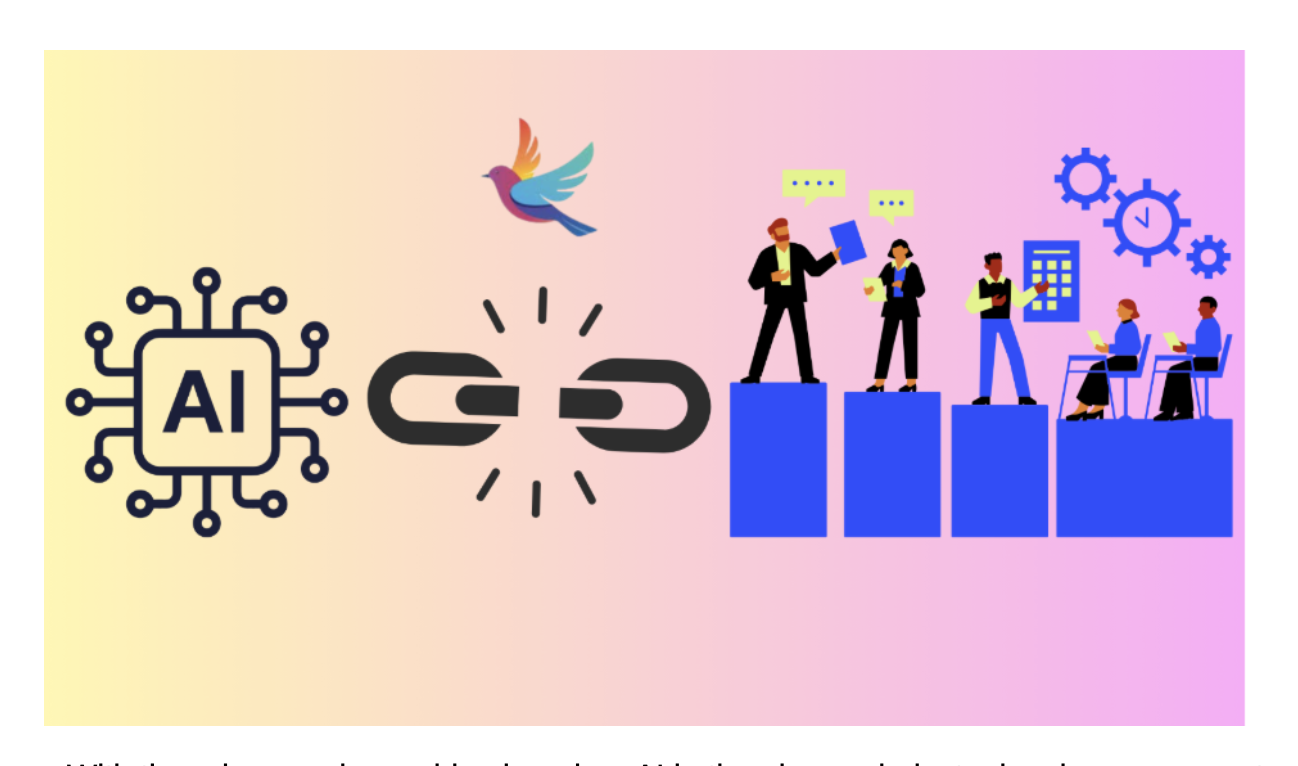
With the advances in machine learning, AI in the pharma industry has become a part
of the daily tools and technology landscape. AI has significantly added value to the
sales force’s effectiveness, while data analytics is helping the management to take
informed decisions.
However, adopting AI in isolation does not enable connected execution in pharma.
The future competitive advantage lies in collaborative execution across teams,
systems, and processes—forming a connected pharma ecosystem.
AI Investment: Limited Execution
Pharma companies are among the biggest investors in Artificial Intelligence,
deploying advanced tools in commercial operations as part of intelligent pharma
operations. Despite this surge, the industry is not seeing the expected results in
terms of speed and pharma operational efficiency.
The problem is not intelligence—it is the lack of connected execution in pharma.
Disconnected Workflows
● Systems are not interconnected; pharma CRM software is often not linked
with ERP or other marketing tools. There is no automatic linkage between
insights and action, limiting pharma workflow automation.
● Marketing and sales operate in silos, reducing pharma collaboration tools
effectiveness and leading to duplicated efforts due to the absence of a
standardized pharma execution strategy.
Siloed Data
● Pharma organizations operate across multiple specialized functions with
independent systems and data sources. These systems do not
communicate effectively. Insights are not shared across teams, weakening
the impact of real-time pharma analytics.
Delayed Decision Making
● The absence of real-time data and siloed systems hampers decision-
making. Without a unified pharma CRM platform, teams lack updated
information, leading to delays that can negatively affect revenue and
growth. Faster, data-driven pharma decisions become difficult to achieve.
Poor Field Execution
● Sales representatives lack access to accurate, updated data for effective
e-detailing. Recommendations are not embedded into daily workflows,
reducing the impact of pharma sales force automation.
The Scenario: AI without Connected Execution
A global pharma company invests heavily in AI-powered analytics to identify high-
potential doctors and recommend next-best actions. These insights are valuable for
improving outcomes within the doctor engagement platform.
However, execution fails because teams remain disconnected. Sales, marketing, and
management operate on separate systems, each relying on different datasets. This
fragmentation disrupts pharma sales execution.
Reps receive delayed updates, reports remain manual, and managers lack field
visibility. Despite investments in AI, productivity and engagement do not improve.
The organization relies on lagging indicators instead of leading actions.
Unified Ecosystem
Sales, marketing, analytics, and compliance often operate in parallel rather than in
sync, impacting pharma commercial excellence.
The future lies in building a connected pharma ecosystem—a unified environment
where all functions are integrated, enabling faster execution, better coordination, and
measurable outcomes.
● A connected execution model integrates all key functions into a single,
coordinated system.
● With integration, insights are embedded in CRM workflows; sales reps
receive real-time recommendations, creating faster and precise field
execution.
● Campaigns and field visits are synchronized, consistent messaging across
channels is in place, and there are improved doctor engagement rates.
● When compliance is built into workflows, it helps in faster execution,
reduces risk, and audit burden.
Field Force Productivity and Doctor Engagement
Improving productivity and engagement requires more than AI. Organizations must
connect data, teams, and workflows in real time through effective pharma field force
management.
Real-Time Visibility
When systems are connected and powered by real-time pharma analytics:
● Sales reps gain instant guidance.
● Managers gain execution transparency.
● Faster decisions are enabled.
Seamless Collaboration
When functional silos are overcome and system creates cross-functional alignment:
● Teamwork from a shared view of the customer.
● Teams align around common KPIs.
Data Synchronization
Connected systems enable effective pharma business process automation:
● Data is continuously updated.
● All teams use consistent information.
● Insights remain accurate and actionable.
Connected CRM Platform: Turning Insights into Action
A connected or unified pharma CRM Platform is increasingly becoming the
backbone of salesforce digital transformation. It enables pharma companies to
convert insights into meaningful actions.
Breaking Down Silos
Connected CRM integrates multiple data sources into one platform, improving
visibility and enabling intelligent pharma operations.
Faster Decision Making
Through real-time dashboards, AI insights, alerts, and analytics, pharma CRM
software empowers sales reps to prioritize high-value HCPs and optimize planning.
This strengthens pharma sales force automation and supports better territory
management.
Omnichannel Coordination
A Pharma CRM aligns all communication channels into a unified engagement
strategy. It ensures consistent messaging and timing. It creates a seamless and
cohesive customer experience.
Sales Force Effectiveness
By reducing administrative work, pharma productivity solutions improve sales
efficiency and allow reps to focus on core activities.
Compliance and Transparency
Connected CRM platforms track all HCP interactions, ensuring regulatory
compliance . This reduces risk and supports pharma operational efficiency through
improved transparency.
Centralized Pharma CRM Platform: Keacyte
Keacyte enables connected execution in pharma by unifying critical commercial and
operational functions into a single centralized platform.
Centralized Planning
Keacyte provides a single planning environment and enables dynamic updates
based on real-time insights, supporting functions like tour planning and territory
management. It ensures that every team works towards shared objectives,
eliminating execution gaps.
Integrated Communication
It embeds communication directly within workflows through Workflow Automation
and Multi-channel Communication, enabling real-time collaboration between teams.
It reduces delays in information flow and ensures context-driven communication.
Real-Time Reporting
Keacyte offers live dashboards across planning and execution activities. It tracks
KPIs and provides role-based visibility to improve employee productivity. It helps in
making informed decisions and increase accountability across teams.
Advanced Analytics
Keacyte combines data from planning, execution, and engagement activities, such
as Call Reporting , Secondary Sales Management , and Doctor Management , and
provides predictive insights. It helps organizations from reactive to proactive
decision-making, and ensures insights are directly tied to recommended actions.
Execution Capabilities
Keacyte supports end-to-end execution through Sales Force Automation, Field Force
Tracking, Expense Management , E-detailing , Pharma Compliance, and Event
Management , enabling efficient operations and enhanced performance across
teams.
Conclusion
Investing in AI tools does not guarantee execution. Pharma companies need to change their approach to bridge the gap between insights and action. The execution is possible through a connected Pharma Ecosystem. An integrated Pharma CRM platform is shaping the salesforce digital transformation, converting insights into actions. The platforms like Keacyte are playing a pivotal role in sales force automation, unifying commercial and operational success for a pharmaceutical industry.