
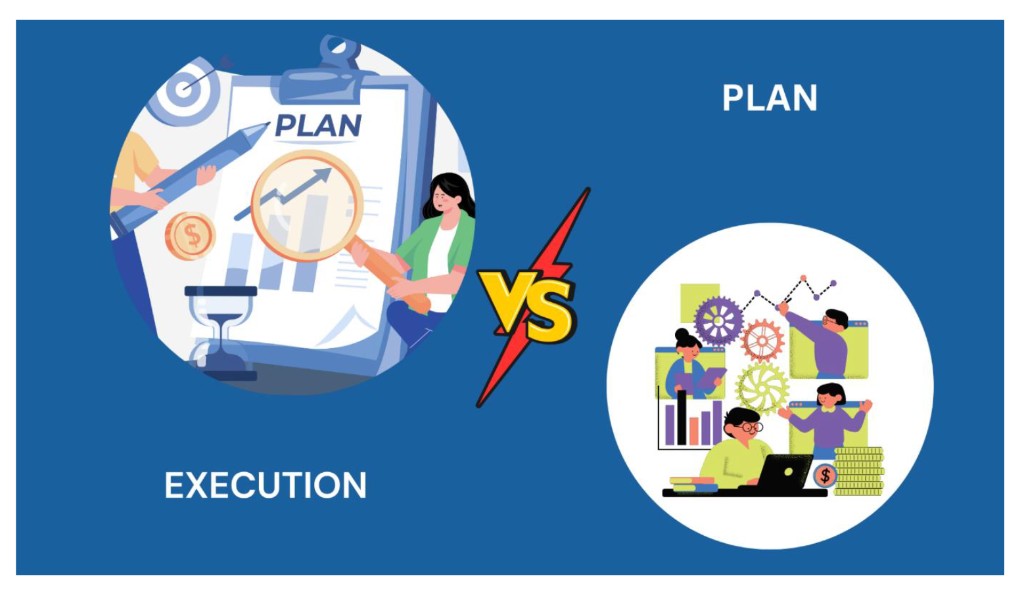
Pharma productivity challenges arise from heavy investment in sales planning in the pharma
industry, making effective Pharma sales execution critical to achieving growth and market goals.
However, the Pharma planning and execution gap is still a major problem to tackle. This gap
often leads to loss of productivity, missed opportunities, and suboptimal Pharma sales
performance.
This blog aims to explore the causes of productivity gaps and identify practical approaches.
Operational Gaps
● The operational gaps are not isolated issues; they are interconnected challenges
which hamper overall work productivity and slows down business growth in Pharma
field team management.
Disconnected Systems
● Lack of integration across systems such as CRM, ERP, or Marketing creates a
significant impact on execution in Pharmaceutical CRM platform environments. The
system often operates in silos, causing fragmented data issues and weak Pharma
team collaboration.
Delayed Reporting
● With manual reporting, the field activity reports may take days to compile and validate
in the absence of real-time reporting in pharma.
Lack of real-time visibility
● With lack of visibility in daily sales activities, managers cannot guide or mentor or
optimize field performance affecting Pharma sales tracking. Inadequate insights,
limited tracking of doctor interactions, etc., leads to inconsistent execution in field
force productivity in pharma.
Inefficient Territory Planning
● Poor territory planning in Pharma territory management can lead to wasted efforts,
missed opportunities, and underperformance of field force.
Reliance on Manual Process
● Spreadsheet based planning and reporting increases the risk of errors, manual data
entry consumes valuable time, and approval of workflows become cumbersome in
the traditional manual process. It slows down the pace and creates bottlenecks in
execution requiring Pharma digital transformation.
Impact of operational inefficiencies on Pharma Performa
Limited pharma business intelligence can lead to operational inefficiencies that negatively impact
field force productivity, physician engagement, compliance, and overall business growth.
Impact on Field Force Productivity
The sales force is the frontier of the execution of pharma organizations in Pharma sales
execution. However, the gaps impact on:
● Reduced selling time: Nonvalue adding activities of the manual process reduces
selling time in absence of Pharma sales force automation.
● Inefficient call planning: With no real time data, call planning becomes vague and
poorly optimized, reducing Pharma sales performance.
Impact on Doctor Engagement
Operational inefficiency can weaken the quality of the doctor's engagement in doctor
engagement solutions.
● Non-Personalized interaction: Without data, conversations become transactional,
repetitive and reduce engagement.
● Missed engagement opportunities: Delayed reporting or lack of real time data fails
to engage the crucial opportunities in real-time reporting in pharma.
Impact on Compliance
Operational inefficiency can increase the risk of non-compliance in several ways.
● Inaccurate reporting: Missing or inaccurate activity logs; inconsistent
documentation creates audit risk and potential regulatory penalties.
● Poor tracking of promotional activities: Without a centralized system in
Pharmaceutical CRM platform, it is difficult to ensure adhering to approved content.
Impact on Business Growth
● Slower Revenue Growth: When field productivity declines, the prescription values
dip, and companies may lose potential market share in Pharma sales performance.
● Missed Market Opportunities: Delayed insights, and fragmented data can delay the
decision making, eventually losing the opportunities.
Challenges faced by Pharma Sales Managers in tracking Execution
Pharma managers are accountable for the execution of strategic planning in Pharma field team
management; however, the operational inefficiencies hinder the tracking process.
● Managers lack real time visibility into daily activities of field force in Pharma sales
tracking, and that delays decision making.
● Due to lack of data or fragmented data, Managers spend endless hours collecting
and validating the data rather than analyzing it.
● Lack of insights limits the manager's capacity to coach effectively in Pharma business
intelligence.
● Inconsistency in the content used in HCP interactions may create compliance
challenges and audit risk.
Bridging the Execution Gap: The Role of CRM and Workflow Automation
Modern day CRM platforms and workflow automations in Pharma CRM software have emerged
as critical enablers in bridging the execution gap using Pharma workflow automation.
● Centralized Planning
A robust CRM system is a single source of truth in Pharmaceutical CRM platform
that brings planning and execution in one platform.
● Real Time Monitoring
CRM platforms provide live dashboards and activity tracking, giving sales
managers real time insights into field execution in Pharma sales tracking.
● Data-Driven Decision Making
CRM integrated with analytics and AI capability to convert raw data into an
actionable insight into Pharma business intelligence.
● Improved collaboration across teams
CRM platforms act as a collaboration platform in Pharma team collaboration,
connecting different functions within an organization.
Transform Planning into Execution with Keacyte
Modern pharma CRM solutions like Keacyte act as centralized execution engines that convert
strategy into measurable outcomes and improve pharma sales execution.
Centralized Planning
Keacyte’s Sales Force Automation enables pharma companies to centralize planning activities,
including territory management, tour planning, doctor management, and campaign alignment.
This eliminates disconnects between planning and execution and reduces the pharma planning
and execution gap.
Real-Time Sales Force Tracking
Keacyte provides real-time visibility into field activities through GPS tracking and automated call
reporting for every HCP interaction. Sales managers can monitor planned vs. actual execution,
ensuring better control, improved pharma sales tracking, and accountability.
Improved Productivity
Workflow automation reduces manual effort and enhances employee productivity. Integrated
expense management and claims management simplify approval processes and eliminate
inefficiencies, supporting better pharma field team management.
Improved Doctor Engagement
With e-detailing and multi-channel communication capabilities, Keacyte enables personalized
and context-driven interactions. It ensures consistent messaging across all channels and
strengthens doctor engagement solutions.
Data-Driven Insights
Keacyte integrates secondary sales management with advanced analytics & dashboards to
provide a comprehensive performance view. It tracks product movement across distribution
channels and delivers real-time sales insights.
Integrated Event Management
With a built-in event management module, Keacyte allows pharma companies to plan and track
events such as conferences, CMEs, and webinars efficiently, improving overall pharma activity
management.
Compliance-Driven Execution
Keacyte embeds pharma compliance into workflows, reducing risks and improving audit
readiness while supporting regulatory adherence.
Conclusion
Effective execution is critical to overcoming pharma productivity challenges and improving overall
sales performance through better planning, visibility, and collaboration.
Keacyte enables this transformation by bridging the planning and execution gap with advanced
automation, analytics, and pharma CRM capabilities.